
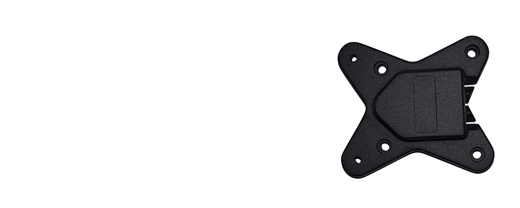



Aluminum Architectural Die-Cast Parts and Die Casting Molds: Pioneering Durability and Sustainability in Modern Construction
2026-04-11 15:30
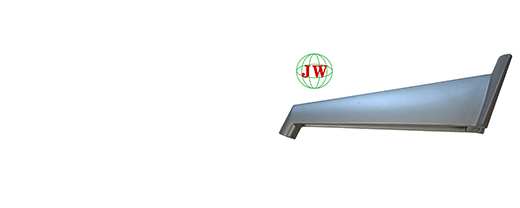
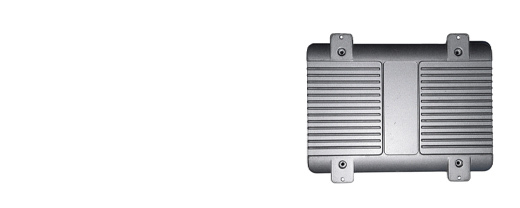
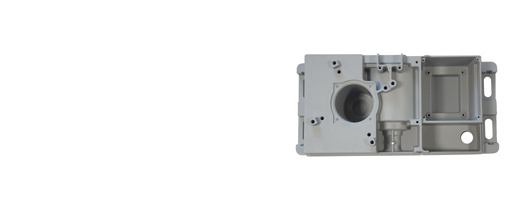
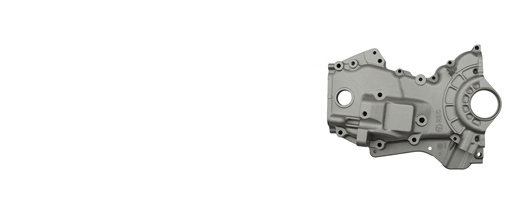
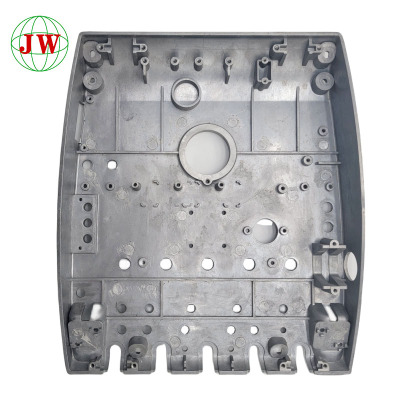
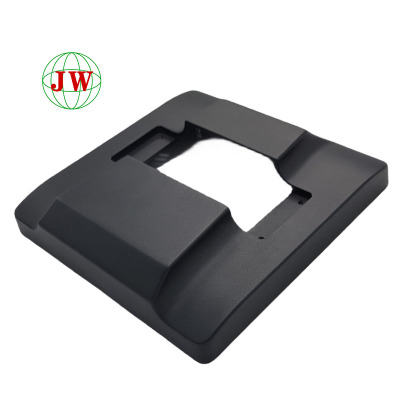
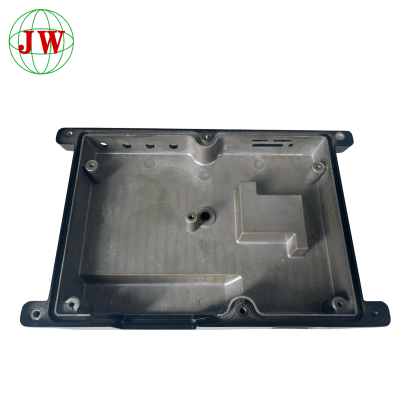
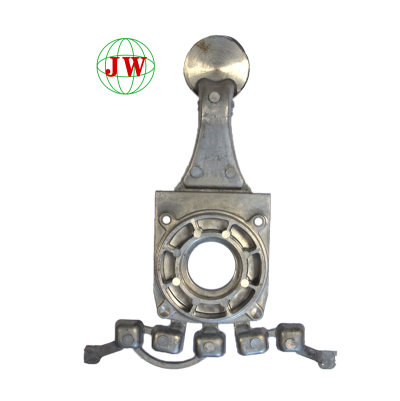
The global construction industry is undergoing a sustainable transformation, driven by the demand for durable, lightweight, and aesthetically versatile building components. At the forefront of this evolution are aluminum architectural die-cast parts and die casting molds, essential elements that blend structural integrity, corrosion resistance, and design flexibility to redefine modern architecture. From curtain wall brackets, window frames, and facade components to structural supports, balustrades, and solar shading devices, aluminum die castings have become a staple in both residential and commercial construction, while advanced die casting molds ensure the precision and consistency required for large-scale building projects. Backed by the global aluminum die casting market’s steady growth—valued at USD 87.66 billion in 2026 and projected to grow at a CAGR of 5.55% through 2033—the role of die casting in shaping sustainable construction is more pivotal than ever.
Aluminum die casting technology has revolutionized architectural manufacturing, addressing the construction industry’s unique needs for strength, weather resistance, and design adaptability. Unlike traditional materials such as steel or concrete, aluminum die castings offer an unbeatable strength-to-weight ratio, reducing structural load by up to 40% and simplifying transportation and on-site installation. Aluminum’s natural oxide layer provides inherent corrosion resistance, making it ideal for outdoor architectural components exposed to humidity, temperature fluctuations, and environmental pollutants—a key advantage highlighted in sustainable building practices. The die casting process involves injecting molten aluminum alloys into precision-engineered die casting molds under high pressure, creating components with tight dimensional tolerances (as tight as ±0.05 mm), smooth surface finishes, and complex geometries that align with the bold, minimalist designs of modern architecture, from skyscrapers to prefabricated homes.
Key aluminum alloys tailored for aluminum architectural die-cast parts are selected to meet the rigorous demands of building environments. Alloy 6063, an Al-Mg-Si alloy, is widely used for window frames, curtain wall profiles, and decorative elements, thanks to its excellent extrudability, corrosion resistance, and ability to achieve a uniform anodized finish that enhances both aesthetics and durability. A360 alloy, renowned for its superior corrosion resistance, is favored for outdoor components such as handrails, solar panel frames, and exterior cladding, withstanding harsh weather conditions for decades. ADC12 alloy, valued for its excellent fluidity during die casting, is ideal for intricate decorative details, column caps, and facade brackets, requiring minimal post-processing to achieve a polished finish. These alloys, combined with advanced die casting techniques, ensure architectural parts balance functionality, durability, and visual appeal.
Die casting molds are the foundation of high-quality aluminum architectural die-cast parts, with innovations in mold design and materials driving efficiency and precision in construction component production. Modern die casting molds for architectural use are crafted from high-performance tool steels such as H13 and 718, engineered to withstand the high temperatures and pressures of the die casting process while maintaining dimensional accuracy over hundreds of thousands of production cycles. Cutting-edge technologies like conformal cooling channels, enabled by 3D printing and topology optimization, dramatically improve heat dissipation in molds, reducing cycle times by up to 30% and minimizing defects like porosity—critical for architectural components that require structural integrity and airtightness, such as curtain wall connectors and valve bodies.
Advanced die casting processes further enhance the quality and versatility of aluminum architectural components. High-Pressure Die Casting (HPDC) remains the most widely used method for mass-producing architectural parts, offering high efficiency and consistent quality for components like window frames, door hinges, and ceiling brackets. Vacuum Die Casting is gaining traction for high-end architectural applications, eliminating air entrapment to reduce porosity and improve mechanical properties—essential for load-bearing elements like structural brackets and beam supports. Additionally, 3D printing of die casting mold inserts cuts development lead times by 60% compared to traditional machining, enabling manufacturers to quickly adapt to custom architectural designs and tight project timelines, a key advantage in the fast-paced construction industry.
Sustainability has become a core driver in the adoption of aluminum architectural die-cast parts and die casting molds, aligning with global green building standards and circular economy initiatives. Aluminum is 100% recyclable without losing its mechanical properties, and using recycled aluminum in die casting reduces energy consumption by up to 95% compared to virgin aluminum production— a critical factor in reducing the construction industry’s carbon footprint. Die casting processes also boast high material utilization rates (up to 98%), minimizing waste, while advanced surface treatments like anodizing and powder coating enhance corrosion resistance and enable customizable color finishes, from matte bronze to brushed aluminum, to match diverse architectural styles. This sustainability focus, combined with aluminum’s durability, has made aluminum die castings a preferred choice for green building projects worldwide.
Across construction segments, aluminum architectural die-cast parts and die casting molds play a pivotal role. Commercial buildings rely on aluminum die castings for curtain walls, glass connectors, and facade systems, where strength and aesthetic appeal are paramount. Residential construction uses die cast components for window frames, door handles, and balcony railings, benefiting from their lightweight and low-maintenance properties. Infrastructure projects, including bridges, stadiums, and prefabricated homes, leverage the durability and corrosion resistance of aluminum die castings for structural supports and decorative elements, while die casting molds ensure consistent quality across high-volume production runs. Even historic buildings benefit from aluminum die castings, which can replicate intricate decorative details while offering modern durability.
Looking ahead, the future of aluminum architectural die-cast parts and die casting molds is defined by continuous innovation. AI-powered die casting mold design and simulation tools will further optimize mold performance, reducing defects and lead times. The development of new high-strength, recycled aluminum alloys will enhance the sustainability and performance of architectural components, while larger-scale 3D printing will enable more complex mold designs for integrated, one-piece components. As the construction industry continues to evolve toward green, smart, and customizable buildings, aluminum die casting and die casting molds will remain indispensable, elevating the durability, efficiency, and aesthetic appeal of modern construction worldwide, and solidifying their role as cornerstones of sustainable architectural manufacturing
Related News
More >-
![Innovative Non-Toxic Cookware Revolutionizes Culinary Experience]()
Innovative Non-Toxic Cookware Revolutionizes Culinary Experience
In the dynamic culinary industry, manufacturers are responding to the demand for safe and efficient cookware. Aluminum die-cast and non-stick cookware, alongside BBQ accessories and Teflon pans, are at the forefront. The quest for the best nontoxic nonstick pan has led to revolutionary advancements. Our company leads this charge with premium nontoxic nonstick cookware, boasting durability, safety, and performance. From aluminum die-cast durability to superior non-stick coatings, our products redefine culinary excellence.
-
![How to Solve Shrinkage Porosity Issues Caused by Poor Mold Cooling Design?]()
How to Solve Shrinkage Porosity Issues Caused by Poor Mold Cooling Design?
Shrinkage porosity is one of the most common and destructive defects in aluminum alloy die casting production, mostly triggered by unreasonable mold cooling system design rather than raw material or operational errors. Unbalanced cooling leads to inconsistent solidification rates, residual shrinkage cavities and dispersed pores in thick-walled or hot spot areas, severely reducing product tightness, mechanical strength and yield rate. This article analyzes the internal formation mechanism of cooling-induced shrinkage porosity, summarizes typical cooling design flaws in traditional tooling, and proposes targeted optimization solutions including conformal cooling layout, thermal balance adjustment and process parameter matching. It also introduces professional simulation verification methods to help manufacturers eliminate porosity defects and stabilize casting quality fundamentally.
-
![How Long Is the Typical Lead Time for Custom Aluminum Die Cast Prototypes?]()
How Long Is the Typical Lead Time for Custom Aluminum Die Cast Prototypes?
Custom aluminum **die‑casting** prototype lead time depends heavily on part complexity, drawing stability, selected manufacturing route and post‑processing scope. Standard prototype‑**tooling** plus casting‑sample delivery normally takes 15‑25 working days, while CNC‑machined block samples and 3D‑printed metal samples offer much faster turnaround yet cannot fully replicate real die‑cast mechanical properties. Frequent drawing revisions, casting defects and subcontract‑process backlogs are major delay sources. Buyers should select suitable prototype solutions based on testing purposes, confirm clear timeline definitions, and provide finalized drawings to optimize schedules. Rational arrangement of **CNC** and surface‑treatment demands also helps control overall prototype cycle for cross‑border die‑casting projects.
-
![What is the minimum wall thickness for your die casting parts?]()
What is the minimum wall thickness for your die casting parts?
Minimum wall thickness for die‑casting parts is not a fixed figure. While laboratory‑level thin walls can be achieved, mass‑production needs to consider alloy fluidity, part size, melt flow distance, tooling accuracy and post‑processing such as CNC‑machining. Aluminum alloy commonly adopts 1.2‑1.5 mm as practical minimum wall thickness for stable volume output. Many customers make design pitfalls by copying sheet‑metal standards or ignoring flow distance and wall‑thickness mutation. Early‑stage DFM review with suppliers helps optimize wall‑thickness parameters before mold development. Balancing lightweight demand, filling performance and assembly reliability can reduce defects like mis‑runs and porosity, lower reject rate and avoid costly tooling modification in later project stages.
-
![How to control air bubble defects during die casting process?]()
How to control air bubble defects during die casting process?
Air bubble is a typical defect in die‑casting, caused by trapped cavity air, lubricant vapor and dissolved hydrogen in molten alloy, weakening mechanical performance and triggering failures during secondary machining. This article explains bubble formation mechanism, introduces optimization on tooling including gating system, overflow and vent design, tuning of injection profile and cycle time, molten alloy degassing and scrap management, plus on‑site inspection & preventive maintenance. Vent clogging and turbulent metal flow are major triggers. Mold‑flow simulation supports early‑stage improvement. Full zero‑bubble is not always economical; step‑by‑step troubleshooting and regular mold maintenance effectively reduce bubble reject rate for mass‑production die‑cast components.
-
![What is the lead time for new die casting tooling development?]()
What is the lead time for new die casting tooling development?
This article explains the full lead time range for custom die casting mold development under standard high-pressure die casting, and elaborates five key influencing dimensions. The total cycle varies from 25 to 60 working days, affected by mold manufacturing sequential stages, structural difficulty of aluminum die casting parts, precision standards and reserved CNC machining allowance. Unresolved batch die casting defects such as air holes and flash require repeated mold rectification and extend delivery periods heavily. Drawing revision delays also drag down the whole schedule. Manufacturers can shorten lead time via parallel processing, pre-confirmed technical specs and pre-simulation to reduce post-trial rework, helping buyers arrange reasonable project timelines with proper buffer days.
-
![What steel material do you select for standard die casting tooling?]()
What steel material do you select for standard die casting tooling?
Focused on steel selection standards for standard die casting tooling, this article analyzes five key dimensions: performance requirements for high-pressure die casting steel, mainstream hot-work steel grade comparison, how steel quality suppresses batch die casting defects, steel matching rules based on output and CNC machining allowance of aluminum die casting parts, and cost-service life trade-off for prototypes and mass-production die casting mold. Purified hot-work steel such as ESR H13 and 8407 effectively avoid thermal cracks and sticky aluminum flaws. Low-cost unpurified steel cuts initial tooling expense yet brings frequent rework and scrap loss. Hierarchical steel matching according to order volume balances upfront investment and long-term casting stability.
-
![What Are the Common Defects of Zinc Alloy Die Casting Parts?]()
What Are the Common Defects of Zinc Alloy Die Casting Parts?
This article introduces five common defects of zinc alloy die casting parts, including unique white rust corrosion, internal porosity and shrinkage cavity, surface cold shut, dimensional warpage, die sticking and burrs. Different from aluminum die castings, zinc die castings are more susceptible to white rust and die sticking due to active chemical properties and strong mold adhesion. Most defects result from improper die casting process, poor mold maintenance and incomplete anti-corrosion surface treatment. Targeted process optimization, regular mold upkeep and complete surface protection can effectively reduce defect rate and improve finished product quality of zinc alloy die castings.
Get the latest price? We'll respond as soon as possible(within 12 hours)