





Aluminum Die-Cast Components: Driving Efficiency and Durability in Modern Home Appliances
2026-03-19 15:30
March 20, 2026 – The global home appliance industry is undergoing a profound transformation, prioritizing energy efficiency, compact design, silent operation, and long service life. At the heart of this evolution lie aluminum die-cast components, which have become indispensable for manufacturing high-performance household appliances ranging from refrigerators and air conditioners to washing machines, kitchen equipment, and small home electronics. As consumer demand for smarter, greener, and more durable appliances surges, the market for aluminum die-cast home appliance parts is projected to grow at a CAGR of 7.3% through 2030, solidifying die-casting as a cornerstone technology for the sector.
Aluminum die-casting stands out as the optimal manufacturing process for home appliance accessories, thanks to its unique ability to produce lightweight, thermally conductive, and dimensionally stable parts at scale. Unlike traditional steel, plastic, or cast iron components, aluminum die-cast parts offer an exceptional strength-to-weight ratio, reducing the overall weight of appliances without compromising structural integrity. This lightweight design not only lowers shipping costs but also enhances user ergonomics, particularly for portable and countertop appliances. Moreover, aluminum’s inherent thermal conductivity makes die-cast parts ideal for heat dissipation, a critical function for motors, compressors, and power modules in high-efficiency appliances, preventing overheating and extending operational lifespans.
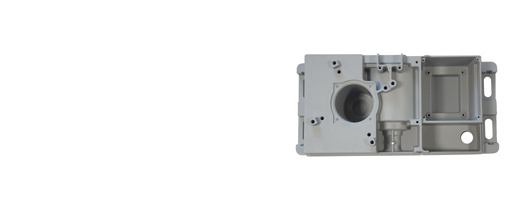
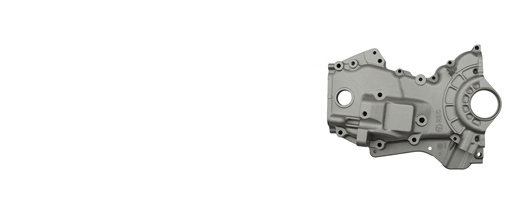
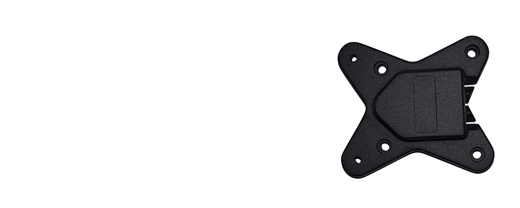
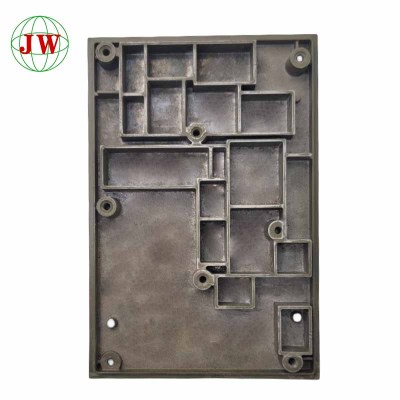
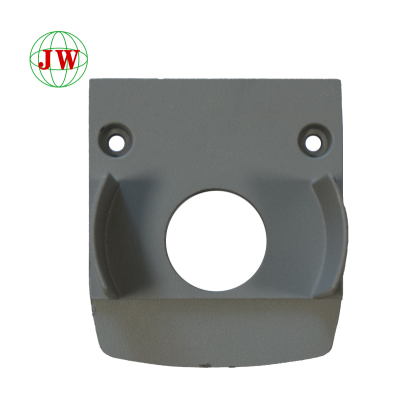
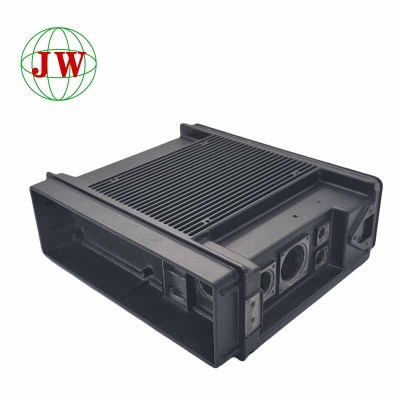
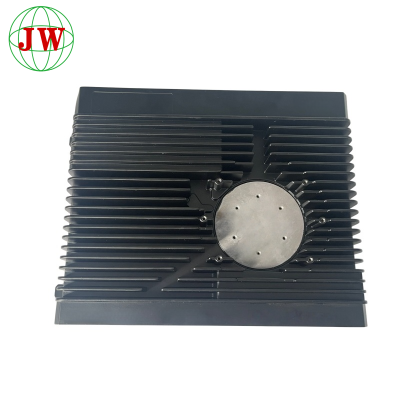
The versatility of high-pressure die casting (HPDC) enables the production of complex, integrated aluminum die-cast components tailored to the unique needs of home appliances. Common applications include motor housings, compressor brackets, heat sinks, fan blades, control panel frames, valve bodies, and structural supports. These parts often feature intricate geometries, thin walls, and precise mounting points—design elements that are cost-prohibitive or unachievable with conventional machining. Die-casting molds crafted from high-grade H13 tool steel ensure consistent dimensional accuracy, with tolerances controlled within ±0.02mm, guaranteeing seamless assembly and reducing production waste.
Material selection is pivotal to the performance of aluminum die-cast home appliance components, with ADC12 and A380 aluminum alloys leading the market due to their superior castability, corrosion resistance, and mechanical properties. ADC12 alloy, with excellent fluidity during die-casting, is perfect for thin-walled, aesthetic parts like control housings and decorative frames, delivering smooth surface finishes suitable for painting or anodizing. A380 alloy, boasting higher tensile strength and wear resistance, is preferred for load-bearing parts such as motor mounts and compressor bases, enduring constant vibration and mechanical stress. For appliances operating in humid environments, such as dishwashers and washing machines, die-cast aluminum parts offer outstanding rust resistance, outperforming steel and reducing maintenance needs.
Advanced die-casting technologies have further elevated the quality and reliability of home appliance components. Vacuum die casting minimizes internal porosity and air bubbles, enhancing structural density and thermal conductivity—critical for heat-sensitive appliance parts. Automated die-casting production lines, equipped with real-time monitoring and robotic handling, ensure consistent quality across high-volume runs, reduce defect rates, and shorten production cycles. Post-casting processes, including CNC machining, deburring, and anti-corrosion coating, refine aluminum die-cast parts to meet strict industry standards for safety, durability, and appearance.
Sustainability is a key driver behind the growing adoption of aluminum die-cast components in home appliances. Aluminum is 100% recyclable without losing its physical properties, and using recycled aluminum in die-casting cuts carbon emissions by up to 90% compared to virgin aluminum production. The die-casting process itself boasts a material utilization rate exceeding 95%, minimizing scrap waste and aligning with the industry’s push for circular economy practices. Additionally, the durability of aluminum die-cast parts extends the lifespan of home appliances, reducing electronic waste and supporting global carbon neutrality goals.
The rise of smart and energy-efficient appliances has further boosted demand for high-performance aluminum die-cast components. Smart appliances with integrated sensors, Wi-Fi modules, and advanced control systems require compact, heat-dissipating parts to protect internal electronics, a role perfectly filled by die-cast aluminum housings. Energy-efficient air conditioners and refrigerators rely on aluminum die-cast compressor components to reduce energy consumption, while quiet-operation washing machines use precision die-cast parts to minimize vibration and noise. As the home appliance industry continues to innovate, die-casting technology will remain essential for meeting evolving performance and sustainability standards.
Looking ahead, the future of aluminum die-casting for home appliances is marked by continuous innovation. AI-drivendie-casting mold design and simulation software will optimize part geometry and production efficiency, shortening development cycles for new appliance models. The integration of lightweight high-strength alloys and additive manufacturing for mold production will further enhance part performance and reduce costs. As consumers and regulators demand more eco-friendly, efficient, and durable home appliances, aluminum die-cast components will continue to be a vital enabler of industry progress, blending precision, functionality, and sustainability in every household device.
Related News
More >-
![How to Extend the Service Life of Aluminum Die Casting Molds?]()
How to Extend the Service Life of Aluminum Die Casting Molds?
This industry news explores practical approaches to extend service life of aluminum **die‑casting** molds. It analyzes major failure modes including thermal fatigue, soldering and mechanical impact. Proper mold steel selection, standardized heat‑treatment and nitriding pre‑treatment lay a solid foundation for **tooling**. Optimized die‑casting parameters such as mold temperature, injection speed and release‑agent spraying reduce thermal‑mechanical load per **shot**. Strict on‑site cleaning, inspection and preventive maintenance detect minor defects early. In addition, balanced repair‑or‑replacement judgment prevents excessive investment on severely damaged molds. Following these measures helps foundries stabilize casting quality, cut down downtime and lower comprehensive manufacturing cost for mass‑production aluminum components
-
![Can you provide matte satin titanium gold finish on die casting parts?]()
Can you provide matte satin titanium gold finish on die casting parts?
This article addresses whether matte satin titanium gold finish can be achieved on **die‑casting** parts. Premium satin‑titanium‑gold decorative surface mostly relies on PVD coating after proper pre‑treatment including satin brushing and cleaning. Final appearance heavily depends on casting substrate quality; alloy selection, **tooling** design and internal porosity greatly influence finished yield. Common risks include batch‑to‑batch gloss deviation, blisters from hidden porosity and geometry‑related uneven coating. Total cost rises from mould optimisation, sealing, brushing and vacuum coating workflows. Buyers are advised to provide physical colour‑gloss reference, validate full‑process prototypes and define clear cosmetic acceptance criteria, rather than trusting digital renderings, to stabilise quality for mass‑production decorative die‑cast components.
-
![How to Balance Tooling Expense and Mass Production Cost for Custom Cast Parts?]()
How to Balance Tooling Expense and Mass Production Cost for Custom Cast Parts?
Custom cast parts projects face inherent trade‑offs between one‑time tooling investment and recurring mass‑production cost in die‑casting industry. Many stakeholders only compare initial die quotations while ignoring full‑lifecycle risks including high scrap rate, frequent die maintenance and extra secondary machining. This article analyses five practical dimensions: core amortization cost logic, early‑stage DFM optimization, volume‑oriented selection of tool‑steel and cavity quantity, process tuning to shorten cycle time and improve gating system performance, plus flexible commercial cooperation modes. It points out that cheap tooling often creates hidden mass‑production losses. Rational decisions require evaluating total‑cost‑of‑ownership rather than one‑time expenditure, matching tool specification with real output volume, so manufacturers and purchasers obtain balanced quality and economic benefits for custom cast components.
-
![What surface treatment do you apply on die casting tooling cavity?]()
What surface treatment do you apply on die casting tooling cavity?
Centered on cavity surface treatment solutions for die casting mold under high-pressure die casting, this article elaborates five key sections: severe cavity working environment, four mainstream protective coating technologies, how coatings eliminate batch die casting defects, matching rules based on output and CNC machining allowance of aluminum die casting parts, plus cost and service life comparison of each finish. Plasma nitriding serves as basic low-cost treatment, while TD coating offers top anti-adhesion performance for long-run mass production. PVD suits high-gloss appearance castings. Skipping cavity coating reduces upfront tooling expense yet triggers persistent blank flaws and extra post-processing cost.
-
![What tolerance can you guarantee on die casting threaded inserts?]()
What tolerance can you guarantee on die casting threaded inserts?
This article answers the core question about guaranteed tolerance of die casting threaded insert, dividing tolerance into commercial, precision and ultra-precision three grades adapted to diverse assembly scenarios. It analyzes molten aluminum temperature, insert placement and mold wear as main tolerance influencing factors in high-pressure die casting process. Optimized positioning and cooling structure of die casting tooling stabilize regular insert tolerance effectively. Pre-production DFM analysis avoids structural tolerance risks by checking wall thickness, insert spacing and assembly demands. For ultra-tight tolerance beyond pure die casting capability, post-casting CNC machining including thread tapping and position reaming is adopted to upgrade precision. The factory provides clear hierarchical tolerance standards, full quality inspection and pre-sample confirmation to match global buyer’s hardware assembly and plating production needs.
-
![What is the difference between zinc and aluminum die casting parts?]()
What is the difference between zinc and aluminum die casting parts?
There are comprehensive differences between zinc and aluminum die cast parts. Zinc alloy has a lower melting point, better fluidity and lower mold loss, ideal for delicate decorative hardware and low-load movable parts, but it is prone to creep deformation under long-term load. Aluminum alloy is lighter, with higher structural strength and better natural corrosion resistance, making it suitable for load-bearing components and outdoor products. Zinc castings match well with electroplating, while aluminum ones adapt better to spraying and anodizing. Material selection should be based on product weight, load, service environment, appearance needs and production budget.
-
![What is the Difference Between Aluminum Die Casting and Sand Casting?]()
What is the Difference Between Aluminum Die Casting and Sand Casting?
This article compares aluminum high-pressure die casting and sand casting from five core aspects. Die casting uses reusable metal molds with high pressure filling, featuring high dimensional accuracy, smooth surface, high production efficiency and dense internal structure. It fits large-batch, high-precision lightweight industrial parts with low unit cost for mass orders. Sand casting applies disposable sand molds and gravity filling, with low upfront cost but poor precision, rough surface and low efficiency. It suits small-batch prototypes and oversized aluminum components. Manufacturers shall select proper casting processes according to order volume, precision demands and actual application scenarios.
-
![What is Aluminum Alloy Die Casting Used for?]()
What is Aluminum Alloy Die Casting Used for?
This passage mainly introduces the wide application fields of aluminum alloy die casting. Combined with five core keywords including high-pressure die casting and die casting mold, it sorts out its practical uses in automobile, home appliances, new energy, electronic communication and industrial hardware. With stable mechanical performance, excellent heat dissipation and reliable corrosion resistance, die-cast aluminum parts can form complex structures efficiently. Various surface treatments further improve product quality. It features low comprehensive cost and large-scale production capacity, becoming a mainstream processing choice for various industries worldwide.
Get the latest price? We'll respond as soon as possible(within 12 hours)