




Aluminum Mechanical Die-Cast Parts and Die Casting Molds: Powering Precision and Durability in Industrial Machinery
2026-04-10 15:30
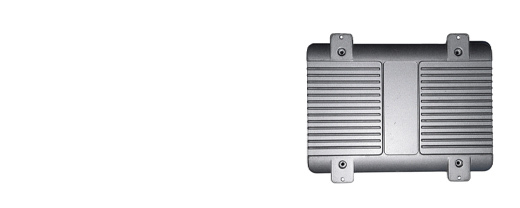
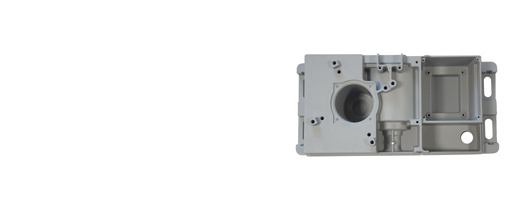
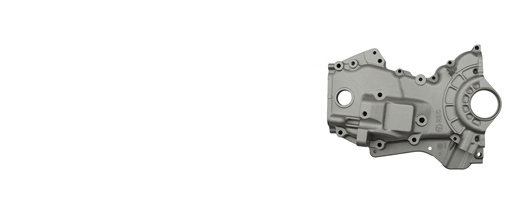
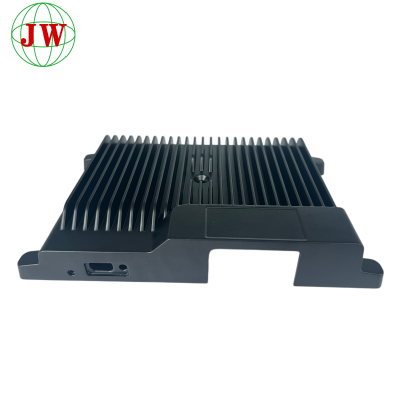
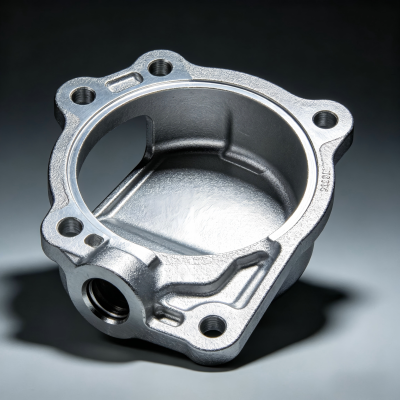
The global industrial machinery sector is experiencing a wave of innovation, driven by the demand for high efficiency, durability, and operational reliability. At the heart of this transformation are aluminum mechanical die-cast parts and die casting molds, essential components that underpin the performance of a wide range of industrial equipment. From gearboxes, pump housings, and valve bodies to sensor brackets, actuator components, and transmission casings, aluminum die castings have become the preferred choice for mechanical manufacturers, while advanced die casting molds ensure the precision and consistency required for heavy-duty industrial applications. Backed by the global industrial machinery market’s steady growth and the push for lightweight, energy-efficient components, the market for aluminum mechanical die-cast parts is projected to grow at a CAGR of 6.8% through 2030, with the global aluminum die casting market estimated to reach USD 446.3 billion by 2035.
Aluminum die casting technology has emerged as a cornerstone of modern mechanical manufacturing, addressing the industry’s unique demands for strength, wear resistance, and dimensional accuracy. Unlike traditional materials such as steel or cast iron, aluminum die castings offer an optimal balance of lightweight properties—reducing equipment weight by up to 40% compared to steel parts—and high mechanical strength, with tensile strengths reaching 310 MPa in high-pressure applications. This combination not only enhances machinery maneuverability and energy efficiency but also reduces wear on moving parts, extending the overall service life of industrial equipment. The die casting process involves injecting molten aluminum alloys into precision-engineered die casting molds under high pressure, creating components with tight dimensional tolerances (as tight as ±0.02 mm) and complex geometries that would be costly or impractical to achieve with other manufacturing methods like machining or forging.
Key aluminum alloys tailored for aluminum mechanical die-cast parts are selected based on their ability to withstand harsh industrial environments. ADC12 alloy, a widely used aluminum-silicon alloy, is favored for its excellent fluidity during die casting, making it ideal for intricate mechanical components such as gear housings and valve bodies, which require minimal post-processing to achieve a smooth finish. A380 alloy, known for its balanced mechanical properties and corrosion resistance, is widely adopted for heavy-duty parts like pump casings and transmission housings, ensuring durability in high-pressure and high-temperature operating conditions. For specialized mechanical applications requiring superior strength and wear resistance, aluminum-copper alloys are used, while aluminum-magnesium alloys are preferred for components exposed to corrosive environments, thanks to their exceptional corrosion resistance. These alloys, combined with advanced die casting techniques, ensure mechanical parts can withstand extreme vibrations, temperature fluctuations, and heavy loads.
Die casting molds are the foundation of high-quality aluminum mechanical die-cast parts, with innovations in mold design and materials driving efficiency and precision in mechanical component production. Mechanical parts often feature complex internal structures, thin walls, and stringent dimensional tolerances—critical for ensuring seamless integration with other machinery components—requiring die casting molds that deliver precise filling and cooling control. Modern die casting molds are crafted from high-performance tool steels such as H13 and 718, engineered to withstand millions of casting cycles while maintaining dimensional accuracy, even under the high temperatures and pressures of the die casting process. Cutting-edge technologies like conformal cooling channels, enabled by 3D printing, optimize heat dissipation in molds, reducing cycle times by up to 25% and minimizing defects like porosity—essential for mechanical parts that require airtightness and structural integrity, such as pump housings and valve bodies.
Advanced die casting processes further elevate the quality and performance of aluminum mechanical parts. High-Pressure Die Casting (HPDC) remains the most widely used method for mass-producing mechanical components, offering high efficiency and consistent quality for parts like gearboxes, sensor brackets, and actuator housings. Vacuum Die Casting is gaining traction for high-precision mechanical applications, eliminating air entrapment to reduce porosity to less than 0.1% and improve mechanical properties, making it ideal for critical components like hydraulic valve bodies and precision gears. Additionally, 3D printing of die casting mold inserts cuts development lead times by 60% compared to traditional machining, enabling manufacturers to quickly adapt to new mechanical equipment designs and custom component requirements.
Sustainability and operational efficiency have become key drivers in the adoption of aluminum mechanical die-cast parts and die casting molds. Aluminum is 100% recyclable without losing its mechanical properties, and using recycled aluminum in die casting reduces energy consumption by up to 95% compared to virgin aluminum production, aligning with global carbon neutrality goals and the industrial sector’s shift toward green manufacturing. Die casting processes also boast high material utilization rates (up to 98%), minimizing waste, while advanced surface treatments like anodizing, powder coating, and electroplating enhance corrosion resistance and wear resistance—critical for mechanical parts exposed to harsh industrial environments, such as chemical processing equipment or outdoor machinery. The rise of smart manufacturing has further boosted demand for aluminum die castings, with sensor housings, control panel enclosures, and automation components requiring lightweight, precise parts that die casting can efficiently produce.
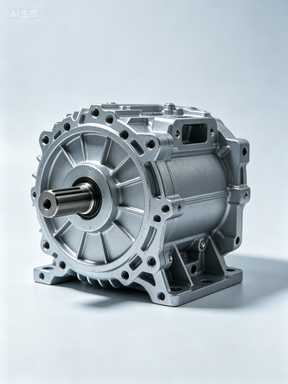
Across mechanical equipment segments, aluminum mechanical die-cast parts and die casting molds play a pivotal role. Heavy machinery, including construction equipment and agricultural machinery, relies on aluminum die castings for components like hydraulic pump housings and transmission casings, benefiting from their lightweight and high-strength properties. Precision machinery, such as CNC machines and robotics, leverages the dimensional accuracy of die cast parts to ensure smooth operation and precise control. Industrial pumps and valves depend on corrosion-resistant aluminum die castings to maintain airtightness and durability, while die casting molds ensure consistent quality across high-volume production runs, supporting the mechanical industry’s need for reliable, cost-effective components that meet strict industrial standards.
Looking ahead, the future of aluminum mechanical die-cast parts and die casting molds is defined by continuous innovation. AI-powered die casting mold design and simulation tools will further optimize mold performance, reducing defects and lead times. The development of new high-strength, lightweight aluminum alloys will enhance component performance, while emerging die casting technologies like squeeze casting and semi-solid casting will push the boundaries of precision and durability, producing parts with near-forged strength. As the industrial machinery sector continues to shift toward automation, energy efficiency, and sustainability, aluminum die casting and die casting molds will remain indispensable, powering the next generation of high-performance mechanical equipment and solidifying their role as cornerstones of modern industrial manufacturing
Related News
More >-
![What Surface Finishing Fits Premium Industrial Aluminum Cast Components?]()
What Surface Finishing Fits Premium Industrial Aluminum Cast Components?
Centered on the topic of selecting proper surface finishing for premium aluminum die casting parts, this article analyzes five key dimensions including casting defects from high-pressure die casting, finishing matching rules for different alloy components, pre-processing control of CNC machining allowance, optimization design of die casting mold, and cost-durability comparison of mainstream surface treatments. Common die casting defects like air holes and cold shut severely damage coating adhesion and surface uniformity. Reasonable machining allowance and early mold structural optimization effectively reduce finishing scrap and rework. Six mainstream industrial finishes including powder coating, hard anodizing and PVD have respective applicable scenarios. Matching finishing must combine blank casting quality, service environment and functional demands to guarantee stable high-end appearance and long-term corrosion resistance of precision aluminum cast components.
-
![How Much Does Aluminum Alloy Die Casting Cost?]()
How Much Does Aluminum Alloy Die Casting Cost?
This article analyzes the full cost composition of aluminum alloy high-pressure die casting from five aspects. The total cost includes one-time mold tooling fee, aluminum raw material cost, production processing cost, post-processing & quality inspection cost, as well as logistics and packaging expense. Part complexity, alloy grade, order volume and surface treatment demands greatly affect final unit price. Die casting has high upfront mold cost but low unit price for mass orders. Reasonable structure optimization and bulk procurement can effectively reduce overall procurement cost for die casting projects.
-
![What Tolerance Can Aluminum Alloy Die Casting Reach?]()
What Tolerance Can Aluminum Alloy Die Casting Reach?
This article explores the tolerance capability of aluminum alloy die casting, analyzing key factors including mold accuracy, process parameters, part structure and alloy properties. Typical tolerance ranges vary by part type, with general industrial parts achieving ±0.10mm–±0.30mm, while precision electronic parts can reach ±0.03mm–±0.10mm. Ultra-tight tolerances require secondary machining like CNC finishing. Improving tolerance stability demands mold maintenance, process monitoring and raw material control. Designers should align tolerance settings with die-casting standards and communicate with manufacturers to balance performance and cost, ensuring parts meet assembly requirements while controlling scrap rates.
-
![Where to Find Reliable Aluminum Alloy Die Casting Suppliers?]()
Where to Find Reliable Aluminum Alloy Die Casting Suppliers?
This article explains how to find reliable aluminum alloy die casting suppliers from six dimensions including sourcing channels, qualification verification, technical strength, quality control, delivery capability and trial cooperation. Reliable die casting factories must hold complete certifications, own professional production and testing equipment, and implement full-process quality management. Purchasers can screen suppliers via B2B platforms and industry exhibitions, verify their strength strictly, and confirm reliability through trial orders. Stable process, on-time delivery and sound after-sales service are key to long-term cooperative supply chains.
-
![Can Aluminum Alloy Die Casting Do Anodizing?]()
Can Aluminum Alloy Die Casting Do Anodizing?
This article explores whether aluminum die casting supports anodizing by analyzing process principles, alloy adaptability, common defects and optimization solutions. Low-silicon die-casting aluminum alloys like A360 and A413 are suitable for high-quality anodizing, while high-silicon A380 and ADC12 tend to cause color difference and foggy surfaces. Optimized hard anodizing works for functional demands, while powder coating and electrophoresis are ideal alternatives. Reasonable matching ofsurface treatment processes and alloys ensures stable appearance and performance of die-cast parts.
-
![Industrial Aluminum Die-Casting Molds & Precision Castings: Empowering High-Efficiency Equipment Operation]()
Industrial Aluminum Die-Casting Molds & Precision Castings: Empowering High-Efficiency Equipment Operation
With the upgrading of industrial manufacturing, industrial aluminum die-casting molds and precision aluminum die-castings have become key components for industrial equipment. Our professional industrial die-casting dies and mature precision die-casting processing ensure that industrial aluminum die-cast components have high precision, strong durability and excellent performance, widely used in pumps, valves and automation equipment. Strict quality control runs through the whole production process to meet industrial standards. We provide customized and bulk production services, and welcome industrial enterprises to contact us for in-depth cooperation and win-win development.
-
![High-Strength Architectural Aluminum Die-Cast Components & Custom Mold Manufacturing Solutions]()
High-Strength Architectural Aluminum Die-Cast Components & Custom Mold Manufacturing Solutions
Modern construction and green building projects raise higher requirements for outdoor metal accessories. Architectural die-cast molds and high-quality aluminum structural castings play a key role in architectural connection and decoration fields. Relying on professional building die tooling design and mature precision forming technology, factory-produced construction aluminum alloy components feature strong weather resistance, high strength and stable size. Strict quality control ensures long-term outdoor service performance. We support customized design and mass production of all kinds of architectural aluminum die-cast parts, and welcome global buyers to contact us for stable cooperation and tailored solutions
-
![Lightweight Manufacturing Excellence! Foshan Jiawei Metal Unlocks High-End Production of Aluminum Die-Casting Industrial Components]()
Lightweight Manufacturing Excellence! Foshan Jiawei Metal Unlocks High-End Production of Aluminum Die-Casting Industrial Components
This article presents our professional aluminum die-casting industrial parts, including motor housings, battery trays, robot connectors, pump bodies, and 5G heat dissipation housings. With high-pressure, vacuum and semi-solid die-casting technologies, we ensure high precision, density and lightweight performance, supported by strict quality control and customized design services. Our products are widely used in automotive, new energy, machinery and other fields. We sincerely welcome customers with aluminum die-casting production demands to contact us for cooperation.
Get the latest price? We'll respond as soon as possible(within 12 hours)